

L’AFCROs est ravie de compter parmi ses adhérents 6 nouvelles sociétés :
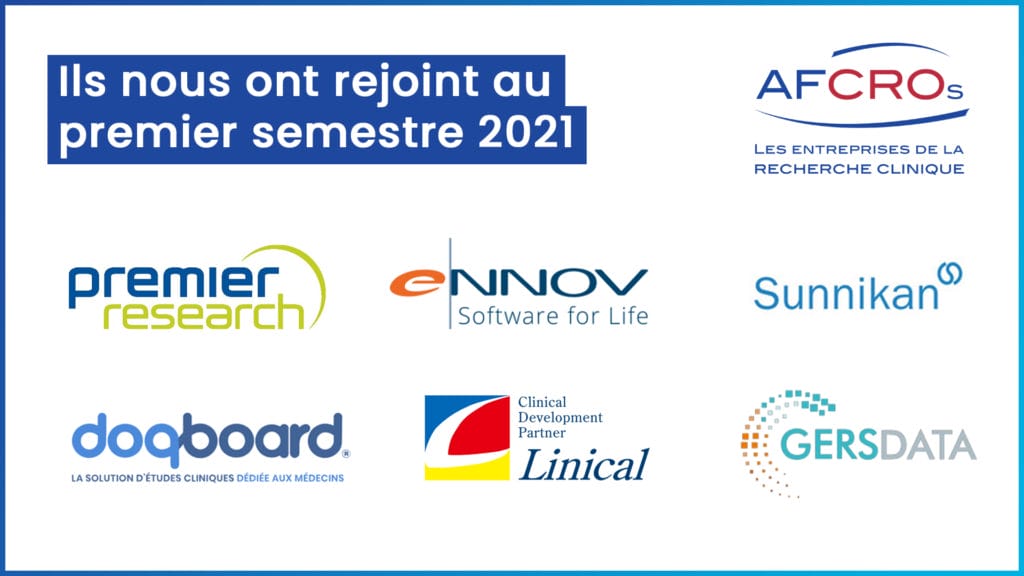
L’AFCROs est ravie de compter parmi ses adhérents 6 nouvelles sociétés :


Lancée par le ministère de l’Europe et des Affaires étrangères, la marque French Healthcare a une ambition à l’international : favoriser le rayonnement des savoir-faire et des technologies françaises de la santé.
L’Association French Healthcare (frenchhealthcare.fr), fédère les entreprises, établissements de santé, instituts de recherche et de formation français qui souhaitent s’inscrire activement dans cette dynamique collective et promouvoir ensemble leurs activités à l’international.
Ses adhérents, de la start-up au grand groupe, reflètent la diversité de l’écosystème français de la santé : établissements de santé publics et privés, entreprises de construction, d’architecture, d’ingénierie hospitalière, industrie pharmaceutique, des biotechnologies, des dispositifs médicaux, fabricants de technologies médicales, d’équipements médicaux, acteurs de la santé numérique, etc. La diversité et la qualité de ce réseau doivent permettre d’offrir des réponses françaises aux marchés internationaux impliquant de multiples acteurs.
L’AFCROs est fière d’y représenter les entreprises prestataires de services de la recherche clinique et de promouvoir des valeurs communes.
21 June 2021 from 10:00 AM to 11:30 AM (CEST)
This webinar on electronic Informed Consent (eConsent) addresses the practical considerations when implementing eConsent. This topic has become an ever increasingly important topic as remote strategies and decentralised clinical trials are being deployed.
The session starts with an introduction to the eConsent Implementation Practical Guide, which was published earlier this year. The Guide was developed by EUCROF and eClinical Forum members and addresses key themes and hot topics and provides a view on the modernisation of the clinical trials informed consenting process, including the current perception and shift of eConsent adoption in light of the COVID-19 pandemic.


Le 28 prochain se déroulera notre colloque sur les données de santé en vie réelle.
Au programme de cet évènement deux tables rondes :



L’entrée en application du nouveau Règlement européen des dispositifs médicaux le 26 mai prochain va modifier la marche à suivre en termes de matériovigilance lors d’une investigation clinique. Deux experts de l’AFCROs nous détaille ces évolutions.
Le point avec Nadia Zenasli et Christophe Grenot membres du groupe de travail Dispositif Médical de l’AFCROs.
Retrouvez également tous les articles précédents publiés dans DeviceMed en cliquant ici
The GDPR (General Data Protection Regulation) has been with us for three years now. Yet, the industry continues to struggle through the multiple legal interpretations of how the GDPR requirements apply to the clinical research.
Ethics committees, data protection officers of the clinical sites and of study funding sponsors, as well as the other stakeholders, defend their approaches. This altogether expands the gap in how a CRO and therefore, a Sponsor should process personal data to state with confidence, “We are GDPR compliant”.
To enable mutual agreement on the rules of applying the GDPR requirements to clinical research and help CROs demonstrate compliance with the GDPR, the EUCROF task force initiated, developed and now is proud to introduce the first Code of Conduct in the industry.
The Code is aimed to explain the application of the GDPR to the services delivered by the CROs.
If you are a data protection officer, you work in a regulatory or legal department, if you are a healthcare professional wishing to boost your awareness about protection of personal data in the trial-related domain and get some insightful tips, you are welcomed to join us on this webinar!
25 May 2021, on the day of the 3rd anniversary of the GDPR, we will guide you through the first clinical trial Code of Conduct. You will have the opportunity to ask questions about the Code and our reasons to trust in its value, as well as receive practical advice on adherence.
In the light of a global pandemic, clinical research in early-stage development reached a new degree of interest as the world relies on scientists to find solutions for unmet medical needs. Under the pressure of this scenario all parties involved in clinical research have to re-organise the working floor and find to ensure the utmost safety of trial participants while in parallel improve the productivity and speed.
In drug development the most sensitive part is the switch from non-clinical to clinical conduct, namely the First-in-Human/First-in-Patient (FIH/FIP) Phase I clinical trials.
To ensure utmost safety a trial specific risk analysis and risk-minimizing measures are required for trial design and protocol as well as for the translation into practical conduct for executing infrastructures in specialized Phase I research clinics.
The basic principles of safety arrangements in clinical trials are regulated by international guidelines and local laws and requirements. For the EU countries the Clinical Trials Regulation 536/2014 based on ICH GCP E6 is implemented as binding law for the conduct of clinical trials.
Since this law does not distinguish between the different phases of drug development starting with FIH/FIP Phase I up to confirmatory Phase III trials, the EMA took action in 2017 to update the guideline for FIH/FIP clinical trials which states that “the early clinical development of human medicinal products has an intrinsic element of uncertainty in relation to both the possible benefits and risks of a novel drug candidate”.
This webinar will help to understand more about the risks and benefits of early-stage clinical trials conducted in specialized Phase I research clinics. It will highlight the points to be considered for planning and conduct of Phase I trials:



Le SNDS constitue une base de données médico-administratives nationale détaillée sur le parcours de soins des patients et leur consommation de produits de santé. Même s’il présente certaines limites, il est de plus en plus utilisé à des fins de recherche, notamment dans le domaine du DM.
Le point avec Sandrine Colas membres du groupe de travail Dispositif Médical de l’AFCROs.
Retrouvez également tous les articles précédents publiés dans DeviceMed en cliquant ici
Merci pour l’intérêt que vous portez au site internet via la publication d’offres d’emploi.
Pour donner plus de visibilité aux offres d’emploi, merci de nommer vos offres comme suit : Nom de l’entreprise – Titre du poste – Type de contrat